
What Audio Interfaces Are Young Chinese Streamers Using?
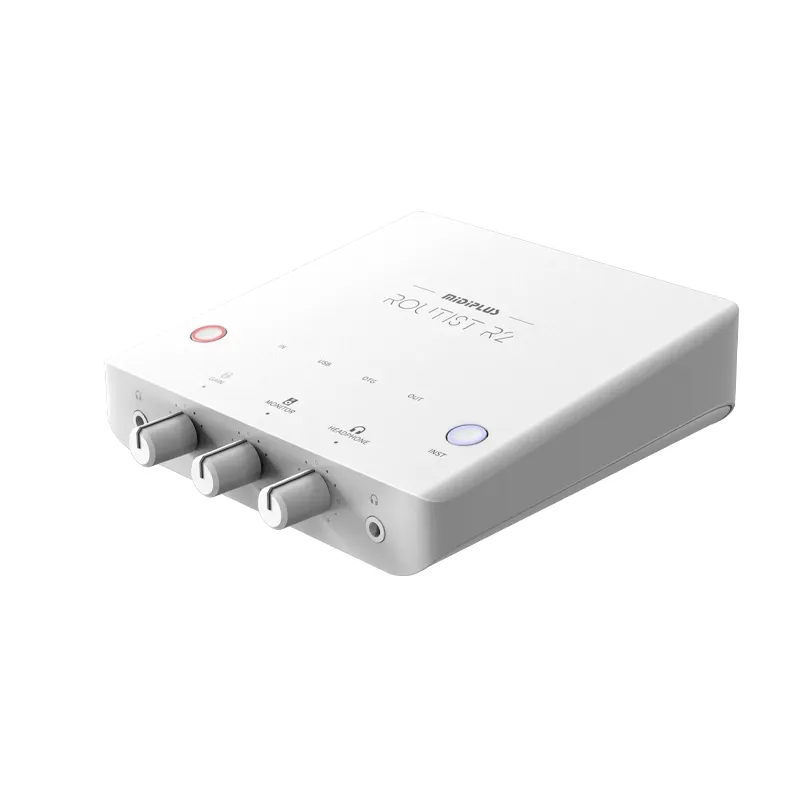
Heads up: this post is from OTORELAY. We sell the MIDIPLUS Routist R2 GEN II.
Quick answer: If you hang around Chinese streaming circles, you’ll hear about two audio interfaces over and over. The cheap one is the MIDIPLUS Routist R2 GEN II. People usually pair it with an Audio-Technica AT2020 mic and a free plugin called Fresh Air to get a bright, airy vocal. The expensive one is the RME Babyface Pro FS, which everyone over there calls “baby face.” Both work with a phone.
Let’s get into why.
Who we’re talking about
In China, kids born after 2005 get called the “post-05” generation. Think younger Gen Z. A lot of them stream right from their phones. They sing, chat, game, or just hang out with viewers.
And they’re super into trends. Melodic rap is huge. Artists like H3R3, Zheng Runze (郑润泽) and TC are on their playlists. Games like Delta Force and Valorant are the other big thing. If a sound catches on, everyone wants it fast. That includes how their voice sounds on stream.
(Quick note: those artists are just there for context. We’re not saying they use any of this gear.)
The sound everyone wants: bright and airy
Dig through Chinese streaming forums and you’ll keep seeing the same goal. People want a voice that’s bright and clear, with a lot of sparkle on top. It fits melodic rap and singing over a beat. It also cuts through phone speakers and earbuds, which is how most viewers are listening anyway.
Here’s the cheap way people get there:
- Audio-Technica AT2020. A popular starter mic. It’s known for crisp, kind of bright highs.
- MIDIPLUS R2 GEN II. A little box that powers the mic and sends your voice to your phone or computer.
- Slate Digital Fresh Air. A plugin with just two knobs that adds sparkle without getting harsh. Slate’s giving it away free right now.
Wait, how does a computer plugin end up on a phone stream?
Good question. Fresh Air only runs on Windows or Mac. So here’s the trick: the R2 plugs into two things at once. The computer goes in the main USB-C port. The iPhone goes in the OTG port (that’s just a port built for plugging into phones).
Your mic goes into the R2. On the computer, a DAW like Studio One does the fancy stuff. A DAW is just music software for recording and adding effects. You load a singing preset or a “radio voice” preset, add some EQ and compression, and throw Fresh Air on top. Then the processed voice goes out the OTG port into your iPhone, and the phone streams like normal.
So the phone’s still doing the streaming. The computer’s basically your effects box. Skip the computer and the R2 still works with just the phone. You just don’t get the effects.
The two at a glance
| MIDIPLUS R2 GEN II | RME Babyface Pro FS | |
|---|---|---|
| What people call it | 迷笛 R2 (“MIDIPLUS R2”) | 娃娃脸 (“baby face”) |
| Price | Budget | High-end |
| Mic inputs | 1 | 2 (4 inputs total) |
| Powers condenser mics (48V) | Yes | Yes |
| Phone hookup | Built-in OTG port | CC mode + Apple USB camera adapter |
| Built-in effects | No (use a DAW on a connected computer) | TotalMix FX (EQ, reverb, delay) on computer/iPad |
| Good for | Getting started cheap | Serious singers, studio use |
The Babyface Pro FS: the “baby face”
This is a pro-level portable interface. In China, it’s the “okay, you’re serious now” pick for streamers who sing. It’s got RME’s TotalMix FX mixer with EQ, reverb and delay built in, and RME is known for really solid drivers.
Hooking it up to an iPhone: RME says to switch it into Class Compliant (CC) mode, which basically means it works without installing anything. Then you connect it through an Apple USB camera adapter (Lightning or USB-C, whichever your phone has). Two catches: you can’t tweak TotalMix FX from an iPhone, and the phone might not give it enough power, so you may need an external power supply.
The streamer way: Candyface. A lot of Chinese streamers skip the camera adapter and use a little box called Candyface (糖果脸, literally “candy face”). Here’s the setup: run an optical cable from the Babyface’s optical out into the Candyface, then plug the Candyface into your phone over USB (that’s OTG, the phone’s USB port acting as a host). One thing to remember: in the Babyface settings, switch the optical output to SPDIF (a standard digital audio format), or you’ll get nothing.
Why bother? The Candyface can charge your phone while you stream, so no more battery panic two hours in. Per the official Candyface page, it has:
- Optical SPDIF in and out, plus coaxial SPDIF in and out
- A 3.5mm AUX input
- An OTG port that also powers your phone
- Two headphone outputs
- 2-in/2-out USB audio (USB 2.0), working with iOS, Android and Windows
The R2 GEN II: the budget favorite
This is where a ton of people start. It does the basics without costing a lot:
- One mic input. It takes a normal XLR mic cable.
- 48V phantom power. That’s just the power condenser mics like the AT2020 need to work. The R2 gets it straight from USB.
- A main USB-C port for your computer, plus a separate OTG port for your phone.
- A 1/8” jack and cable for older phone hookups, and 24-bit/96 kHz audio.
That OTG port is the big deal for phone streamers. You plug in and go.
It’s $119 in our store: MIDIPLUS R2 GEN II at OTORELAY. Free US shipping.
So which one?
- New to this, streaming from your phone, want that bright sound: Get the R2 and an AT2020. When you want the full effects chain, add a computer with Fresh Air and keep streaming from your phone.
- You sing for real, want built-in effects, money’s not the issue: Babyface Pro FS. Just plan for a Candyface (or the camera adapter plus external power).
Honestly, most people should start cheap. You can always upgrade. A clean signal and a good mic level matter way more than the brand name.
Come hang out
We post fun live-streaming stuff on Instagram, TikTok and X, and it’s not all about sound. Follow @otorelay for setups, tips, and whatever’s trending in streaming.
Frequently asked questions
What audio interface do Chinese live streamers use most?
Two names come up all the time in Chinese streaming guides and shop listings: the budget MIDIPLUS Routist R2 GEN II and the high-end RME Babyface Pro FS, which people there call 'baby face' (娃娃脸).
Can the RME Babyface Pro FS connect to an iPhone?
Yes. RME says to switch it to Class Compliant (CC) mode and connect through an Apple USB camera adapter (Lightning or USB-C, depending on your phone). You might need external power, and you can't change TotalMix FX settings from an iPhone. A lot of Chinese streamers use a box called Candyface instead: the Babyface sends audio to it over an optical cable (set the Babyface optical output to SPDIF), and the Candyface connects to the phone over OTG and can charge it while you stream.
Is Slate Digital Fresh Air free?
Right now, yes. Slate Digital gives it away on its website, though it says the offer is for a limited time. You need a Slate account and iLok activation. It's a Windows/Mac plugin, so phone streamers run it on a computer that's hooked up to the R2 along with the phone.
Can the R2 connect to a computer and a phone at the same time?
Yes. It has a main USB-C port for a computer and a separate USB-C OTG port for a phone. That's how people run effects on the computer while the phone does the streaming.
Gear from OTORELAY
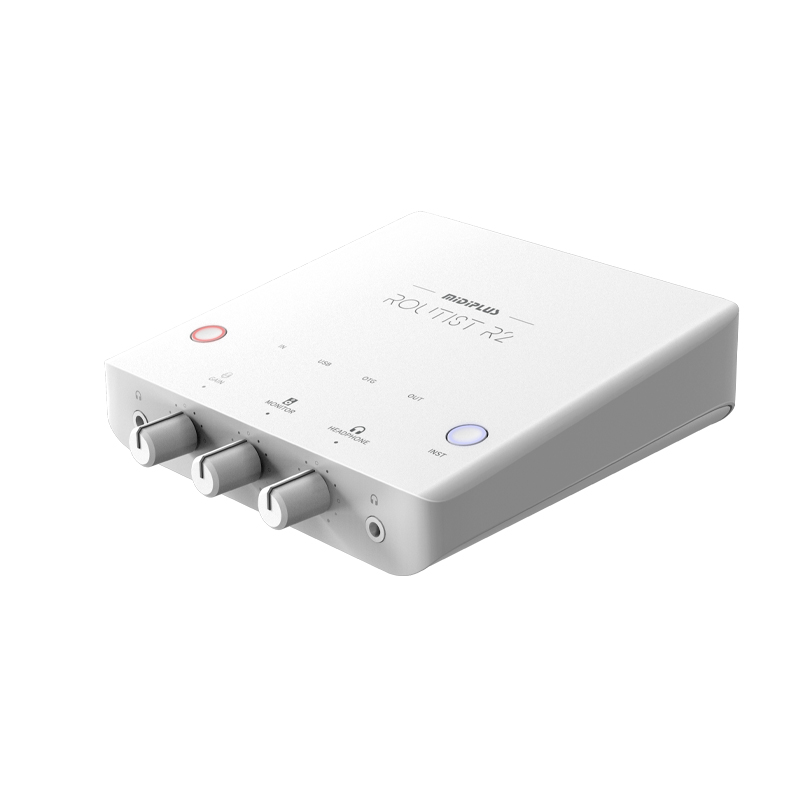
MIDIPLUS Routist R2 GEN II USB-C Audio Interface – New, Phone & Computer Ready
$119.00
New
View on OTORELAYCheck listings for current price and availability.